
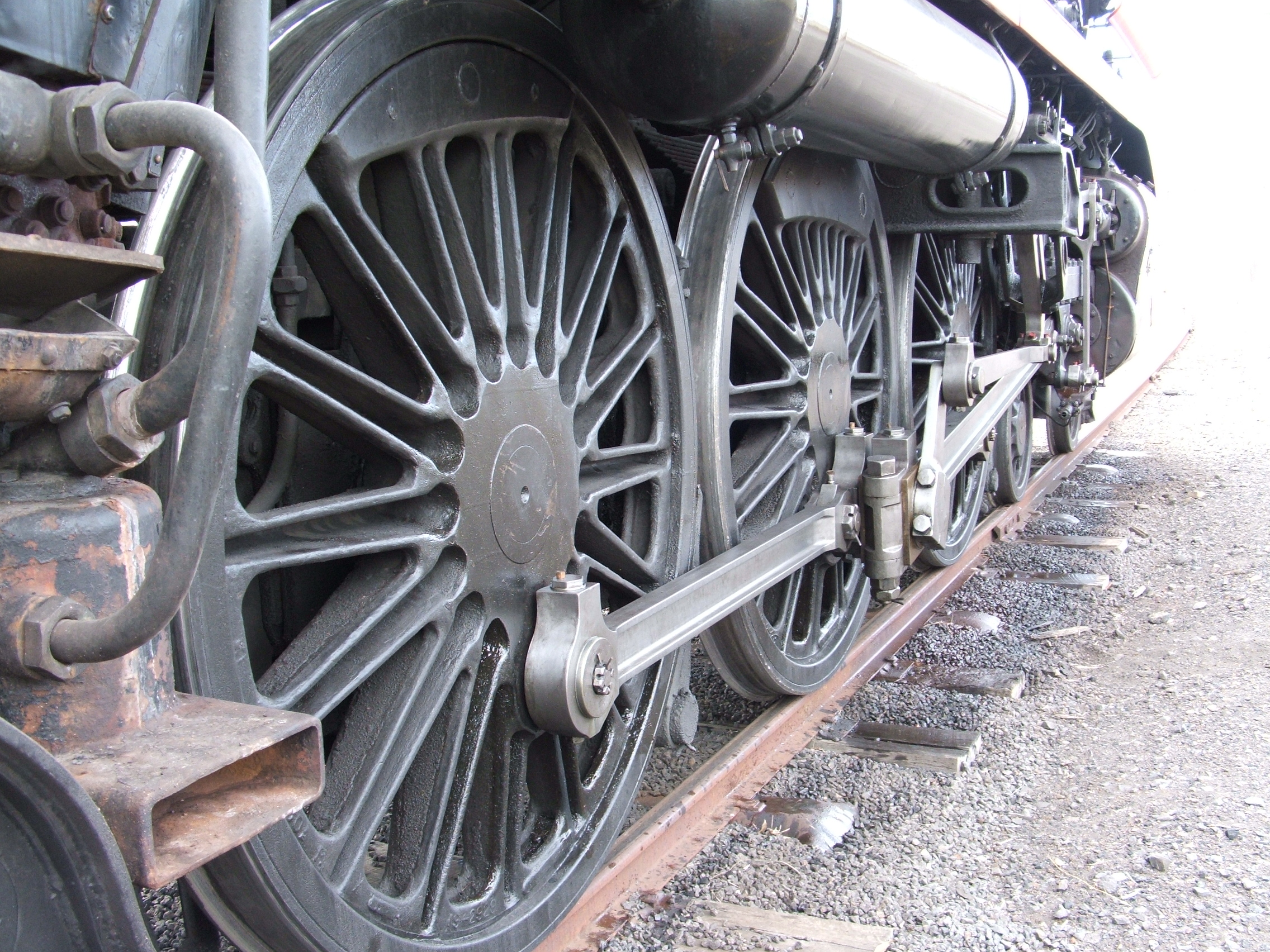
Train Wheels
Although most wheels are cylindrical and are exellent for rolling and moving forward, it's limited to a straight line. You may notice that when put a rail it comes into a problem when turning in a curved path.
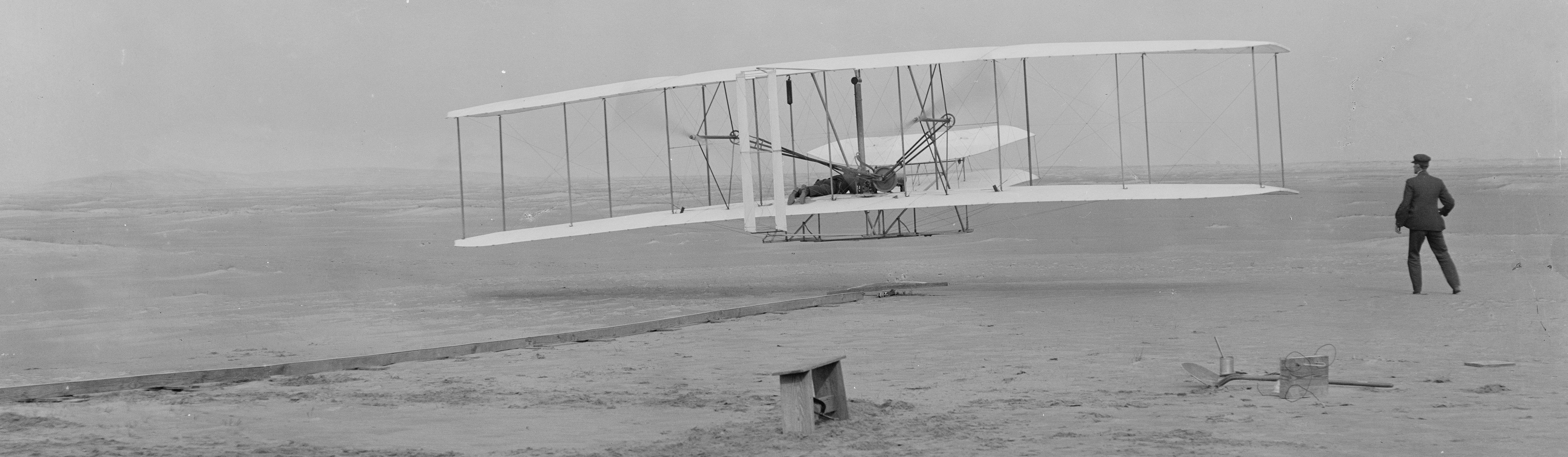
Wright Brothers
Wilbur and Orville Wright developed and first sucessful airplane which took off in December 17, 1903. This newfound technology would change the world, where air travel was previously via balloons and gliders.
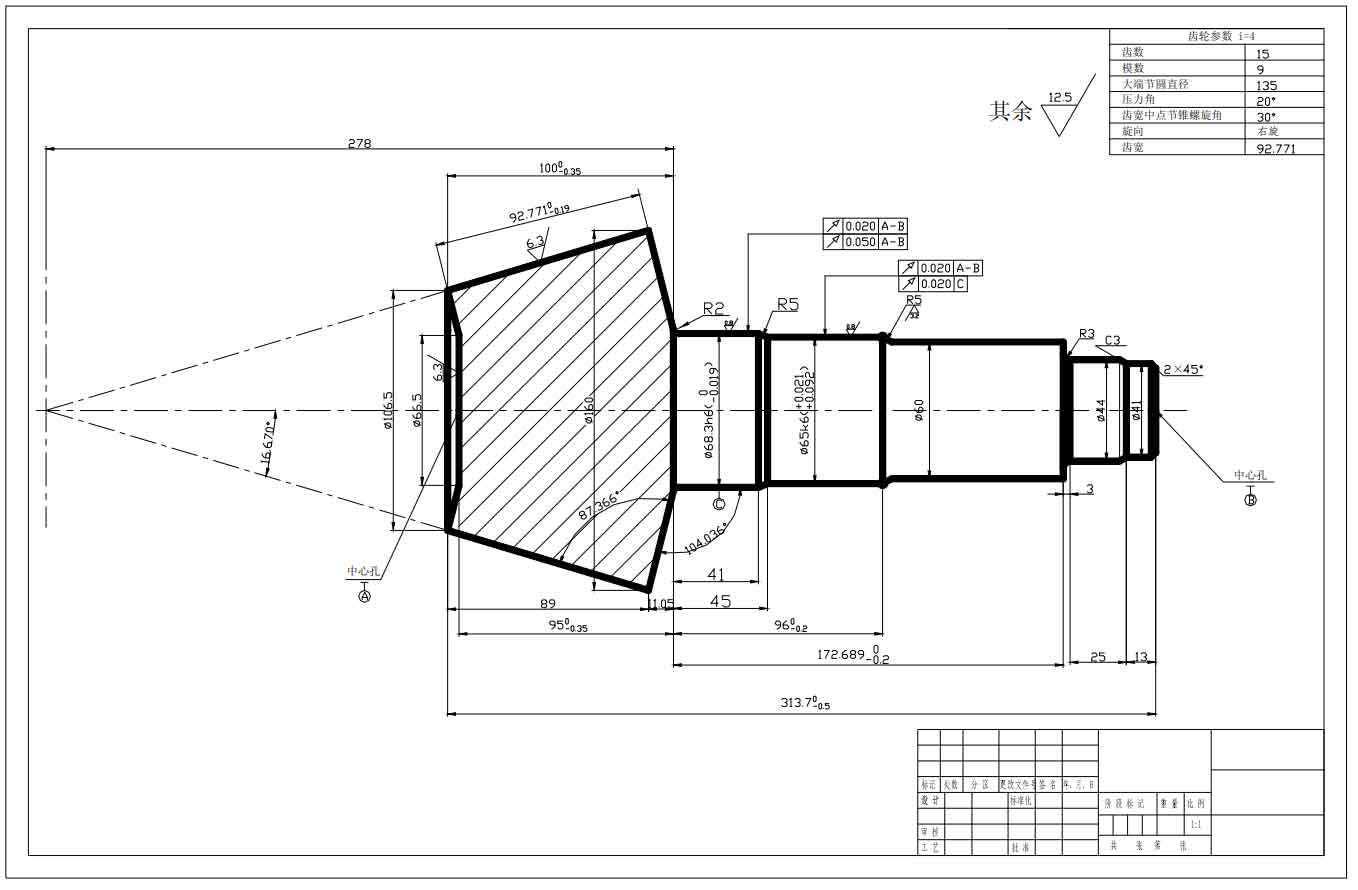
Spiral Bevel Gear
With it's usage dating back over 3,000 years ago, it transmit rotational power across two right angles. One common modern implementation of this is found in cars, connecting the drive shaft and wheels.

Cambar Thrust
The Cambar Thrust is a sideway force that occurs when a wheel in motion is tilted at an angle, presurring the elliptical shape farther down and to the side. This allows motorcycle to achieve tighter turns than say a car.
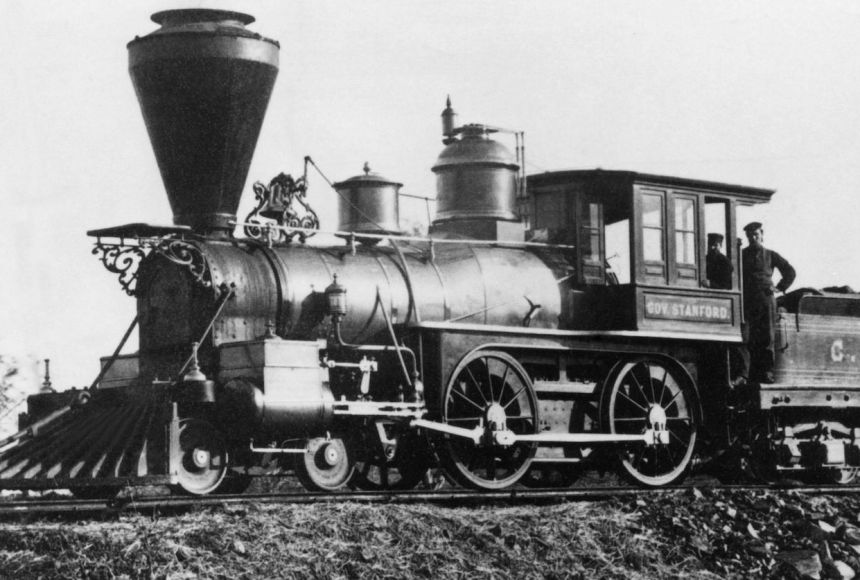
Steam Locomotive Influence
The introduction of steam locomotive revolutionized trade and expanded market as due to it's speed goods what would've before spoiled in transport is now viable to sell over large distances.
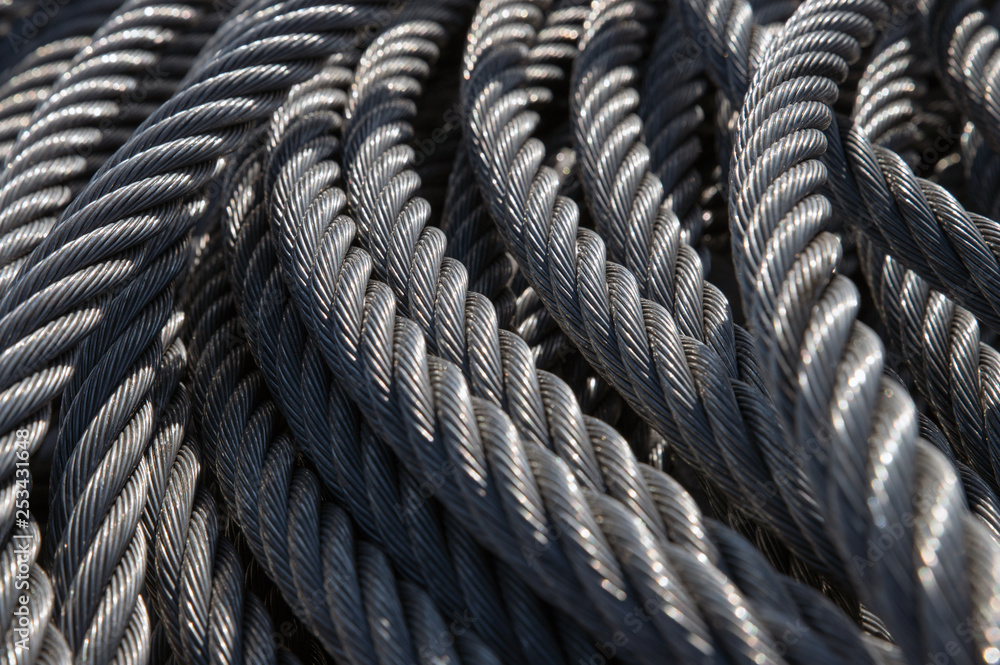
Why steel cables are twisted
Steel cables are twisted to allow greater range of movement and flexibility. The reason this is necessary is because if the wires are simply aligned and bent, the outter side would be stretched and the inner would be compressed, placing stress on the wires. Twisting them together would distribute the stretching and compression across the wires.